

The Rising Costs of AI and Why Corporate Superiority is Creating Failure.
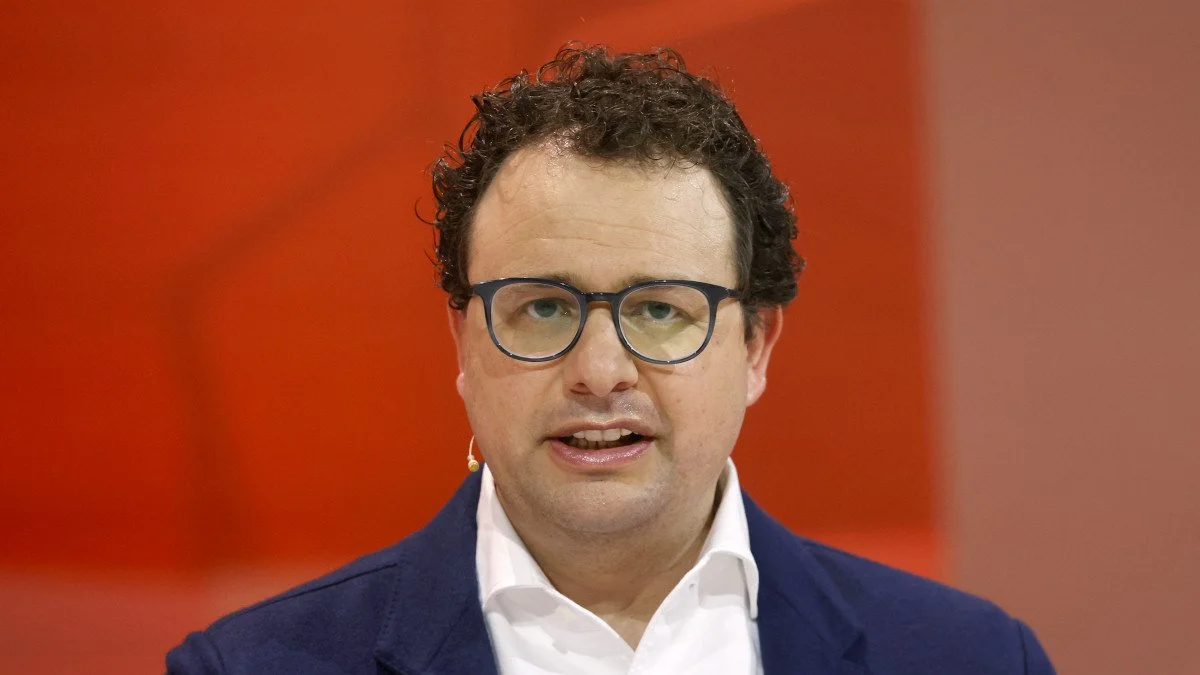
Dario Amodei, CEO of Anthropic
Since we’ve entered the year 2022, the generative AI boom has filled society at an extraordinary pace and has assisted in creating an astounding amount of new businesses, products, and even new millionaires. As we’ve come into 2026, it’s almost as if every facet of the open world has been touched by artificial intelligence and we’ve even seen our global leaders even call for the replacement of humans, by way of AI. Although artificial intelligence has significant benefits such as streamlining workflows, creating advanced code in a matter of minutes, and redefining how fast operations can be done, there are still various factors artificial intelligence has not fully developed into it’s full replacement strategy, and probably won’t. Unfortunately, top businesses that define our markets have struggled, seen financial blows, and have already depleted half of their workforces in the name of AI. As CEO’s and the rest of their c-suite staffs have tried to maintain the narrative that they have the power to implement AI strategies to ultimately cut costs and drive margins back upward, they’ve seen a tragic amount of failure in doing so. Why has this happened and what does it mean for businesses going forward?
Let’s start with Sam Altman, CEO of OpenAI - in most recent news, he expressed that one of the biggest issues for companies using AI today are the cost of “tokens” in order to utilize the AI systems to facilitate business operations. For those who don’t know, a “token” is a small chunk of text AI uses to read and generate. This can be a word, a space, or a punctuation. Tokens are important to AI systems because AI models count them for both processing and billing. More tokens are required to continue to utilize the AI models, in simpler terms. Let’s say for example, a simple phrase like “Hello, how can I help you?” is around 7 tokens because common words can be one token while punctuation and spacing can add up to one full token. So how has this effected businesses in our markets?
Facing current financial struggles with AI use, we’ve seen top corporations like Microsoft, Starbucks, Amazon, and Uber directly push back on the use of AI, after they’ve already terminated most of their needed workforces to manage AI use. Microsoft has completely banned the AI system Claude Code after realizing the costs of the AI model had surpassed the human workforce it was supposed to replace. It is fact that Microsoft blew through it’s entire annual AI budget in just about one quarter. Microsoft themselves invested over $5B in Anthropic, creator of Claude Code, just to turn around and ban it from it’s daily operations. Uber as another example rolled out Claude Code in December of 2025 and by March 2026, 84% of their 5,000 engineers were using it with 70% of all committed code coming from the AI system. One engineer from Uber spent about $1,200 in just one two-hour demo session - this is not smart financials for any company. As of April 2026, Uber has depleted it’s entire yearly AI budget in just 5 months.
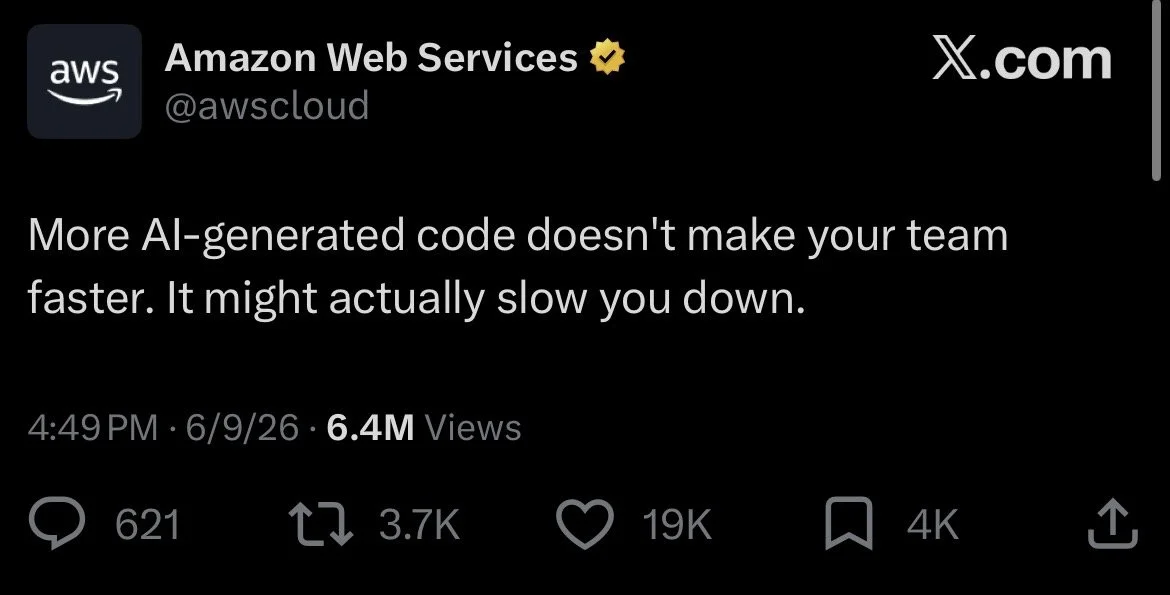
We’ve also seen Starbucks significantly cut it’s AI usage this year already. The coffee company decided to use AI to complete manual task as simple as labeling and counting cups produced, and the AI model failed these operations and miscalculated several of Starbucks’ supposedly simple task. This also led to significant financial waste as Starbucks had to pay for the AI model and account for operational mistakes. As for Amazon, after seeing the amount of financial waste Claude Code caused within their company, we now see their CEO and one of the significant leaders in our modern world, Jeff Bezos, call for AI to be slowed down and makes claim that it in fact will not replace human labor, rather create destruction in global workforces. Google, the world’s leading search engine, has also had significant crackdowns on their AI use and has even been cited by international courts for allowing AI models to distribute broken, partial, and almost false information. That is the next major concern with AI usage - how well can it truly operate outside of human supervision? If not supervised it can pose extreme liabilities for distribution of information and financial loss - which is the only most common result by terminating the very engineers needed to maintain these AI models.
Take a step back and look at how much financial waste these companies themselves are facing primarily due to the belief in systems that have not been ground-hard proven in the world. With the AI bubble companies have invested into, we’ve seen over $1.4T spent, with only $613B returned on investment overall. Amazon reportedly spent $313B and lost $291B, Google’s parent company Alphabet spent $287B and lost $262B, Microsoft spent $266B and lost $235B, and META spent $230B and lost $227B. This year alone, these companies have spent around $700B on AI infrastructure, around 94% of their total operating cashflow. Google recently sold $80B worth of stock to fund their AI infrastructure and over at Amazon, their free cashflow is expected to go negative - Morgan Stanley estimates a $17B deficit while Bank of America estimates $28B. Maybe this is why we see CEO’s like Jeff Bezos have changed their tune from “replacement” to “this is dangerous.” It seems as if these AI models haven’t turned a profit themselves either. We see a company like OpenAI spend $60B annually, with an ROI of about $25B. Companies like OpenAI currently sit at an $852B valuation, while Anthropic’s valuation sits around $965B - both of which haven’t turned a profit and are filing for IPO’s this week. We just saw SoftBank, a leader in technological investment, try to take a $6B loan against it’s 13% stake in OpenAI to actually keep funding OpenAI - the banks said no, why? - because they don’t believe OpenAI is worth $852B. In that same manner, how do you try to secure a loan by using the very company you invested in as collateral? That just doesn’t make sense at all.
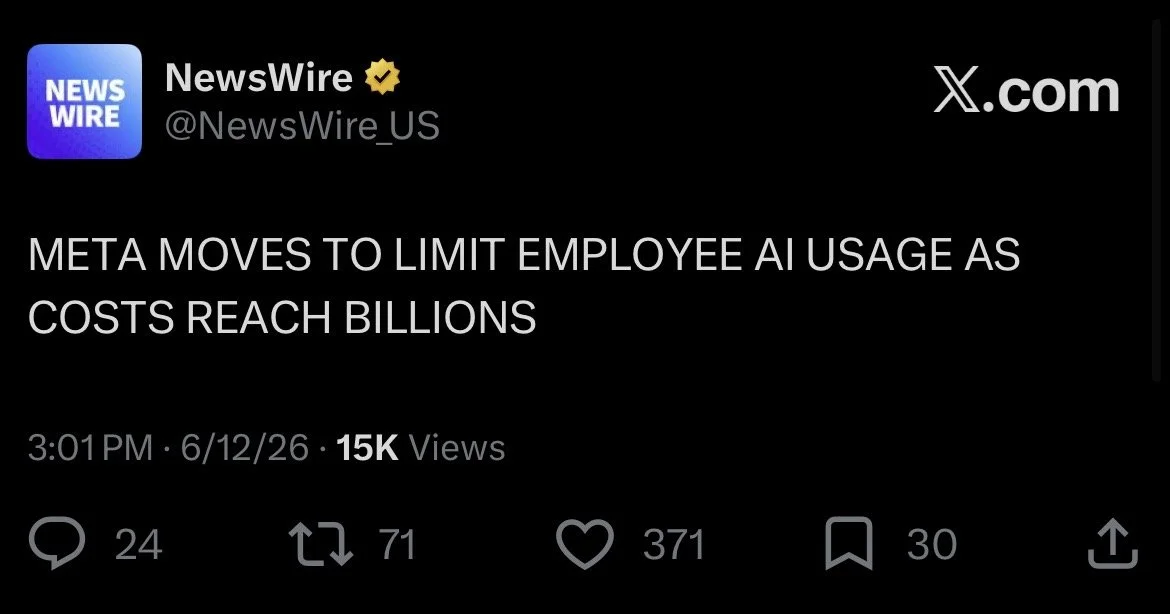
In my opinion, what we see now is a bubble slowly bursting. CEO’s caught a serious case of FOMO and got too hasty at the idea of being able to cut what they thought were “low-level” human capital costs, automate these processes with artificial intelligence, and drive those margins back upward, giving them extended bonuses and being able to say they are champions of the new world. What we find are valuations so high in the air with absolutely no means of justifying them. The major risks they didn’t consider were the costs of maintaining the AI infrastructure, the level of supervision needed in order to maintain proper workflows (they fired the very engineers they needed), and actually running the most sensitive and confidential information of their business into a vacant void of generative intelligence - intelligence that can’t continue to generate properly without the very human knowledge it learns from to operate. This is were we find corporate superiority destroying workforces and new technology. With new tech on the horizon, these Silicon Valley suburbanites are still chasing the Zuckerberg effect and in the end, they’ve only dug a hole for themselves. AI has many great uses, but still, it cannot trample over human necessity.
